

Hiking Packing List
A good hiking pack is small, light, and complete. The goal is not to carry everything you might conceivably need — it is to cover water, food, weather, and safety with the least weight possible, so the walk stays enjoyable.
This list covers a standard day hike first, then the extra items for a multi-day hut-to-hut trek where you sleep in mountain huts and carry everything on your back.
Quick Checklist
Ready to import
Copy this list to journeybot
Copy the checklist, then open a journey's packing list in journeybot and choose Import a List → Paste. Your categories will stay organised.
Categories and items are formatted for import
Clothing And Layers
Footwear
In The Day Pack
Safety And Navigation
Hut-to-Hut And Multi-Day Extras
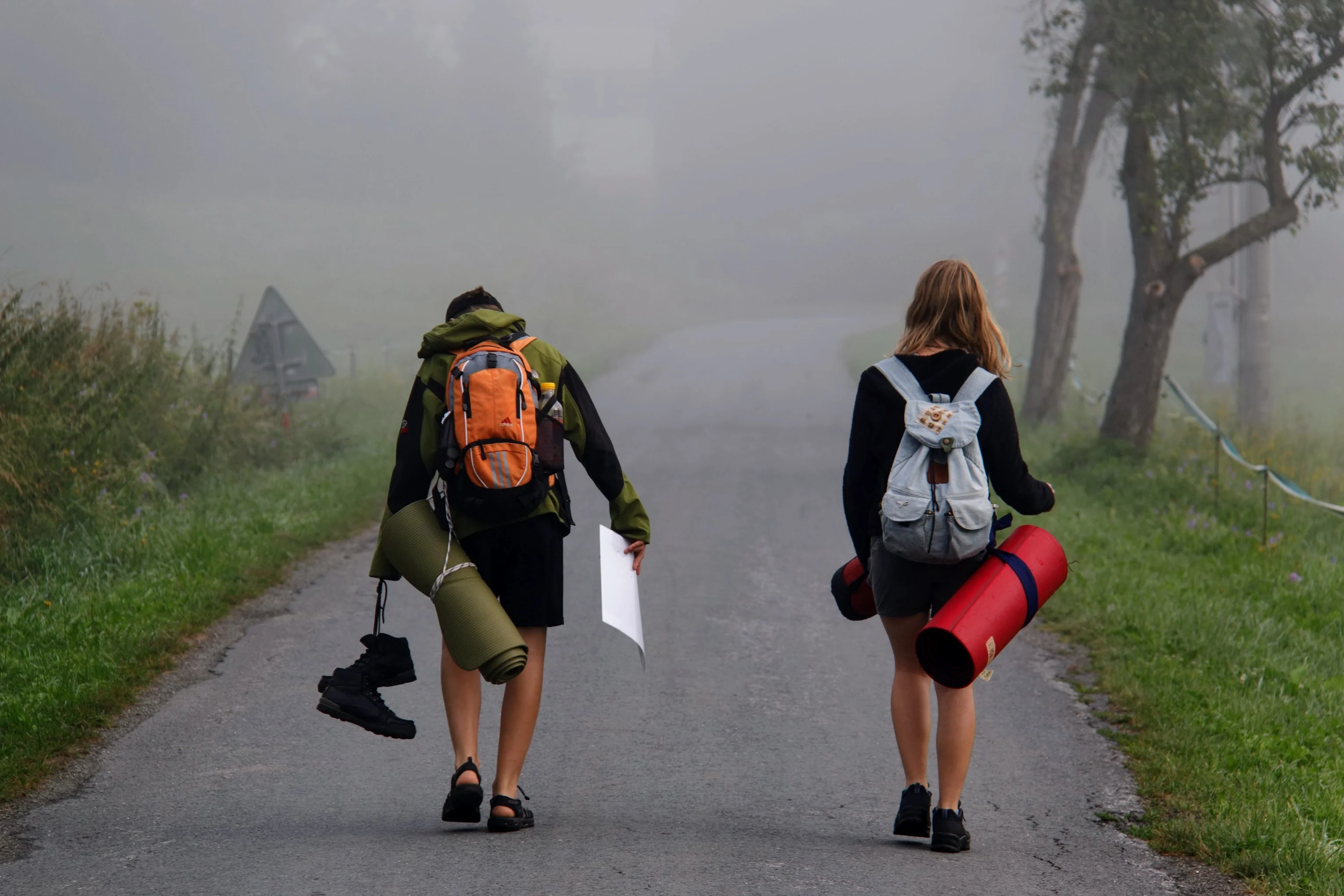
If you are linking huts over several days, add these — and resist adding much more:
- Sleeping bag liner (most huts require one)
- Lightweight sleep clothes
- Hut shoes, sandals, or lightweight slippers
- Earplugs
- Quick-dry towel
- Compact toiletries
- One spare hiking outfit, worn in rotation
- Cash — many mountain huts do not take cards
- Booking confirmations, saved offline
- Larger pack (30-40 litres) with a rain cover
Packing Strategy
Pack for the coldest, wettest hour of the route, not the trailhead weather. Mountain forecasts change fast, and the summit is usually a different climate from the valley. A rain shell and one warm layer earn their place on almost every hike.
Weight matters more than completeness. Every extra kilo is carried uphill for hours, so weigh your pack before you go — a comfortable day pack stays under about 6-8 kg including water. For multi-day treks, lay everything out, then remove the items you packed "just in case" and keep only the safety gear.
Water is the one thing not to trim. Check refill points on your route in advance; if they are reliable, a filter weighs far less than a second bottle.
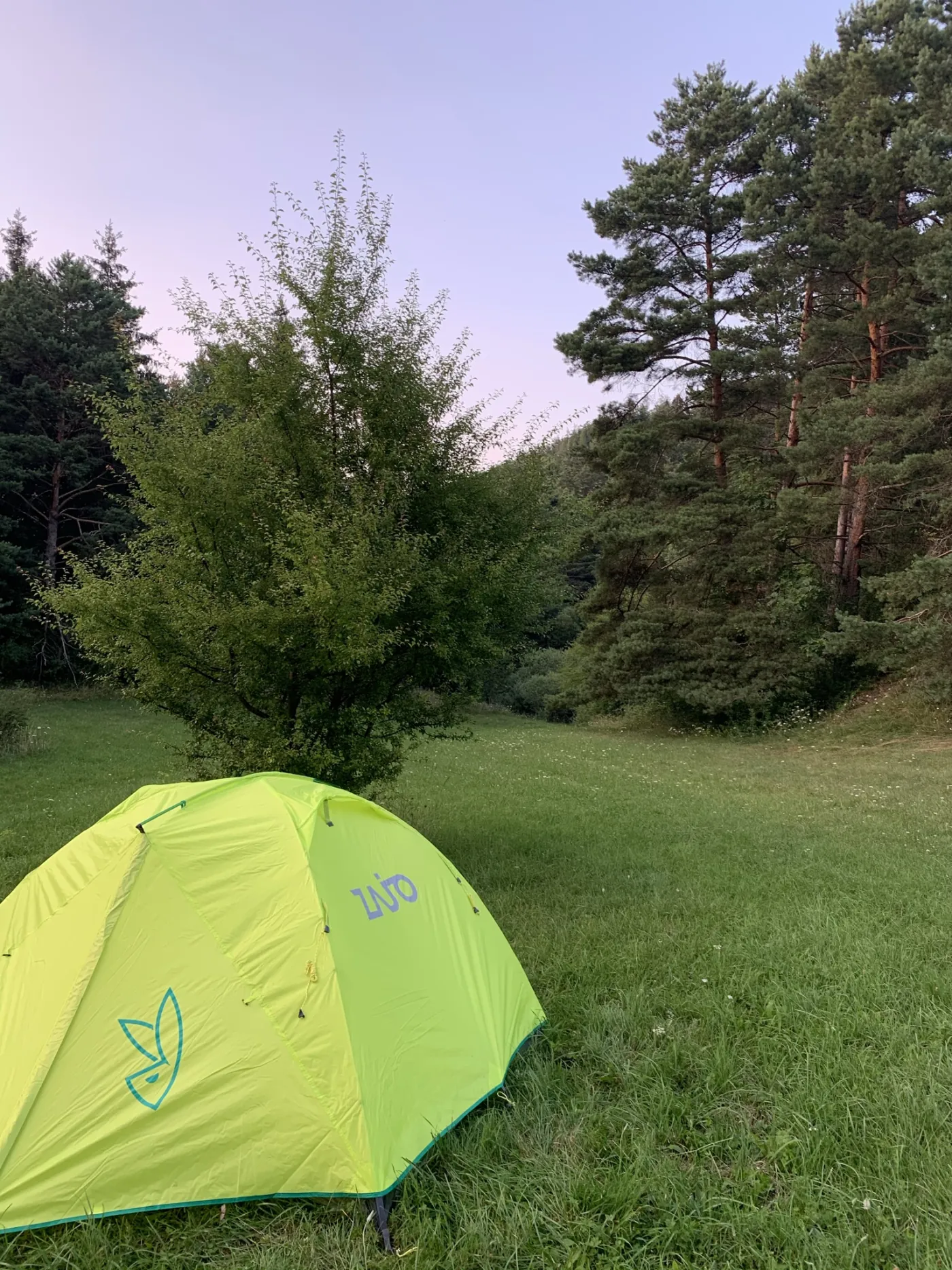
For multi-day routes that end at a campsite, prioritize small items that solve light, water, and sleep problems without turning the pack into a car-camping setup.
What To Skip
- Cotton t-shirts and jeans
- A full change of clothes for each day
- Full-size toiletries
- Heavy camera gear you will not use
- A second pair of shoes on day hikes
- Glass bottles or jars
- Anything you have not tested on a shorter walk
Create This In journeybot
Create a hiking journey in journeybot and use this guide as your starter list. Add the trail, dates, elevation, and forecast, and the app adapts the checklist to the actual conditions — including how many hut nights you booked.
FAQ
What should I pack for a day hike?
Water, snacks, an extra layer, rain protection, sun protection, a small first aid kit, your phone with an offline map, and a power bank. Everything should fit in a comfortable 15-25 litre day pack.
How much water should I bring hiking?
A common rule is about half a litre per hour of moderate hiking, more in heat or at altitude. If reliable refill points exist on the route, carry less and bring a filter or purification tablets instead.
What do I need extra for a hut-to-hut trek?
A sleeping bag liner, lightweight sleep clothes, hut shoes or sandals, earplugs, a quick-dry towel, cash for the huts, and one spare set of hiking clothes. Most huts provide blankets, so a full sleeping bag is rarely needed.
Do I need hiking boots, or are trail shoes enough?
For maintained trails and day hikes, trail running shoes or low hiking shoes are usually enough. Choose boots with ankle support for rough terrain, scree, heavy packs, or wet conditions.