
Camping In The Mountains Packing List
Mountain camping rewards good preparation. Weather can shift quickly, nights can be colder than expected, and small comfort choices make a big difference after a long day outside.
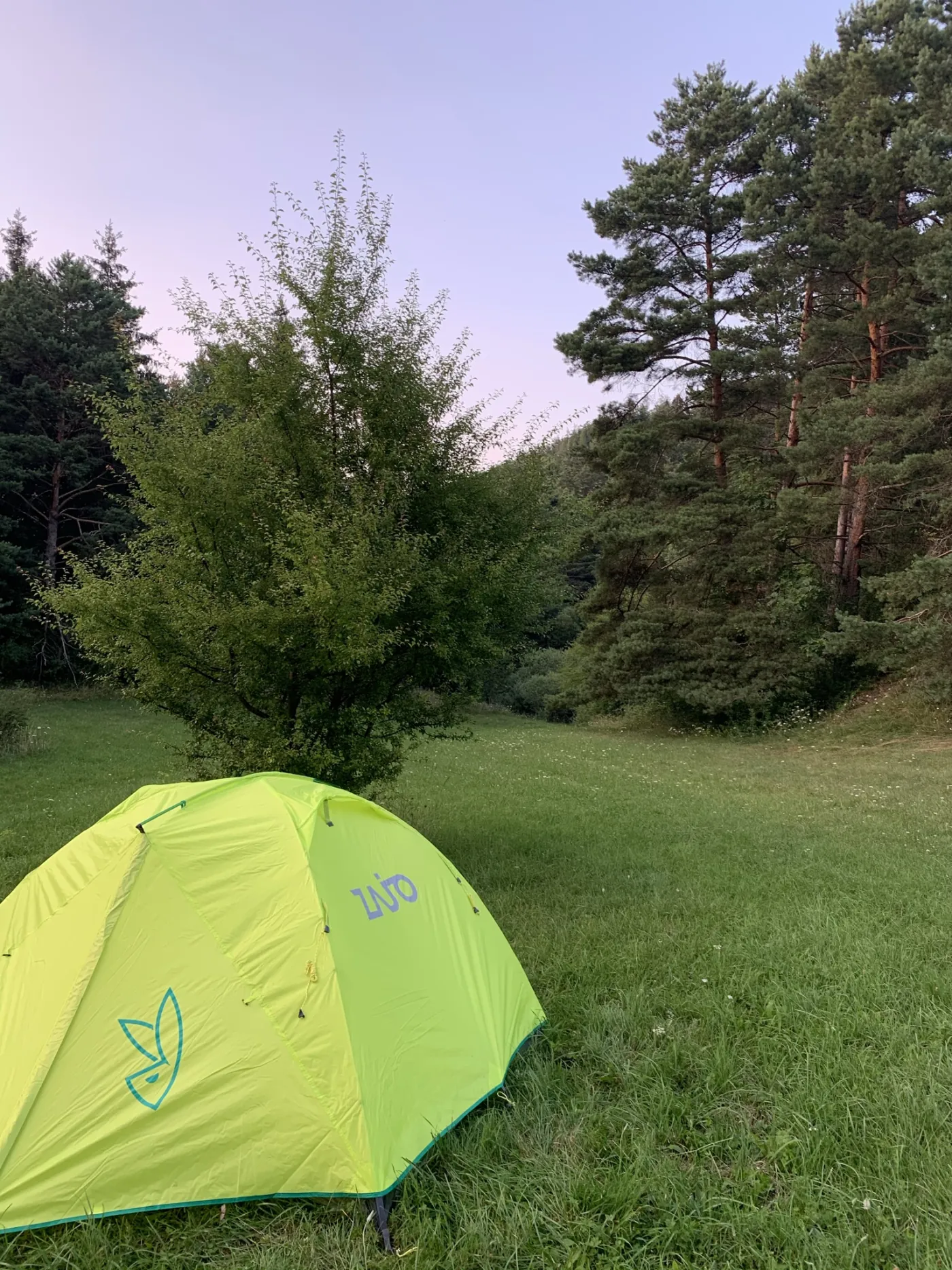
This list is designed for a 1-4 night mountain camping trip where you carry your own gear or split shared items with a group.
Quick Checklist
Ready to import
Copy this list to journeybot
Copy the checklist, then open a journey's packing list in journeybot and choose Import a List → Paste. Your categories will stay organised.
Categories and items are formatted for import
Shelter And Sleep
Clothing Layers
Cooking And Food
Safety And Navigation
Packing Strategy
Think in systems instead of piles. Shelter, sleep, layers, cooking, water, navigation, and safety should each be complete before you add comfort extras. If one system is missing a small item, the whole trip can become harder than it needs to be.
Mountain nights are the usual surprise. Check the forecast for the campsite elevation, not only the nearest town, and pack for the overnight low. A warm layer, dry socks, and a sleeping bag with enough temperature margin are worth the space. For mountain trips, dry bags or compression sacks are often more useful than standard packing cubes because they protect clothing from rain and pack pressure.
Once the safety systems are complete, compact lighting, water treatment, repair, and sleep comfort are the extras most likely to earn their weight. The travel coffee gear guide separates lightweight manual brewers from heavier self-heating options, and the travel photography essentials guide helps avoid overpacking camera accessories.
What To Skip
- Cotton layers for cold or wet conditions
- Heavy spare outfits
- Full-size toiletries
- Unneeded electronics
- Loose food packaging
- Duplicate group cooking gear
- Glass containers
Create This In journeybot
Create a mountain camping journey in journeybot and use this guide as your starter list. Add the trail area, dates, elevation, campsite style, group size, and forecast to adapt the checklist around the actual conditions.
FAQ
What is the most important thing to pack for mountain camping?
Reliable warmth and weather protection. Mountain weather can change quickly, so prioritize a suitable sleeping bag, insulating layer, rain shell, and dry spare socks.
Do I need a warmer sleeping bag in the mountains?
Usually yes. Temperatures can drop sharply overnight at altitude, even after a warm day. Choose a sleeping bag rated for the expected nighttime low with a margin.
How do I avoid overpacking for a mountain camping trip?
Pack by system: shelter, sleep, clothing layers, cooking, water, safety, and personal items. Avoid duplicate clothing and share group gear when possible.